
Our basecamp will be Paicines Ranch, a regenerative working ranch outside of San Jose, California. Students and teachers from LSH will venture into the wild beauty of Pinnacles National Park and the breathtaking coastline of Monterey while growing in their faith through dedicated time for prayer and Catholic teaching. From hiking ancient volcanic landscapes to quiet moments of reflection under open skies, this journey invites young men to encounter God in creation and return home with a deeper sense of purpose, playtime, faith, and wonder.
Check out our article on the Paicines Ranch for more information




-
About: Nestled in the heart of San Benito County, California among the sweeping oak-studded hillsides, Paicines Ranch is habitat for a diversity of wildlife including animals, birds, insects, trees, plants, grasses, springs, rivers, and much more. Our mission is to work with the dynamic natural world at the ranch to regenerate the health of the ecosystem from the soil up while growing delicious, nourishing food for our community.
Lodging: Lodging consists of an assortment of cottages, full-kitchen houses, and private rooms with endless landscapes. It’s spacious enough to accommodate large groups, while providing the ultimate in privacy for your celebration. Learn more here.
Learn More about the 8,000 acres of Paicines Ranch here.
-
Nestled in the rolling hills of central California, Paicines Ranch serves as base camp — where students sleep, share meals, and step into the living classroom of a regenerative working ranch. From there, adventures extend across the region, with off-site activities ranging from hiking through the ancient volcanic landscapes of Pinnacles National Park and catching their first waves with a surf lesson on the California coast, to mountain biking rugged trails and cooking alongside professional chefs.
Back at the ranch, students become true agricultural explorers — conducting real soil tests, investigating the hidden life beneath their feet, observing wildlife, and analyzing ecosystems to understand how farmers use nature as a guide for food production. Hands-on experience with livestock brings to life the very principles of regenerative systems, where land, animals, and people work in harmony. Each day builds toward a deeper understanding of how creation is cared for and sustained.
Woven throughout the journey are dedicated times for reflection, prayer, and Catholic teaching with quiet moments under open skies that invite students to encounter God in the beauty of the natural world. By the end of the expedition, students will leave Paicines with a renewed sense of leadership, purpose, and a faith rooted in something real.
-
Airport: The easiest airport to fly in and out of is San Jose. Participants are expected to arrange their own airfare and travel, however, MGM can support with students being transfered from San Jose Airport to Paicines Ranch.
Paicines Ranch is located at 13388 Airline Hwy, Paicines, CA 95043, in San Benito County. From San Jose International Airport (SJC), it's approximately 75–80 miles by road, typically taking around 1.5 to 2 hours depending on traffic. The most common route heads south on US-101 through Gilroy, then east on CA-25 toward Hollister and Paicines. Note that the last stretch has no cell service, so it's worth downloading directions ahead of time.
-
Here is the full flushed-out itinerary:
March 15–19
Monday, March 15 — Travel Day and Arrival
The journey begins. Students depart for Paicines Ranch, trading the familiar for something wilder and more expansive. Upon arrival, the group settles into their lodging and takes a guided walking tour of the property, getting their first real look at the land that will shape the week ahead. The evening closes with a small group reflection and prayer, setting an intentional tone for everything that follows. This is not just a trip. It is a pilgrimage into purpose.
Tuesday, March 16 — Pinnacles National Park and Farm-to-Table Dinner
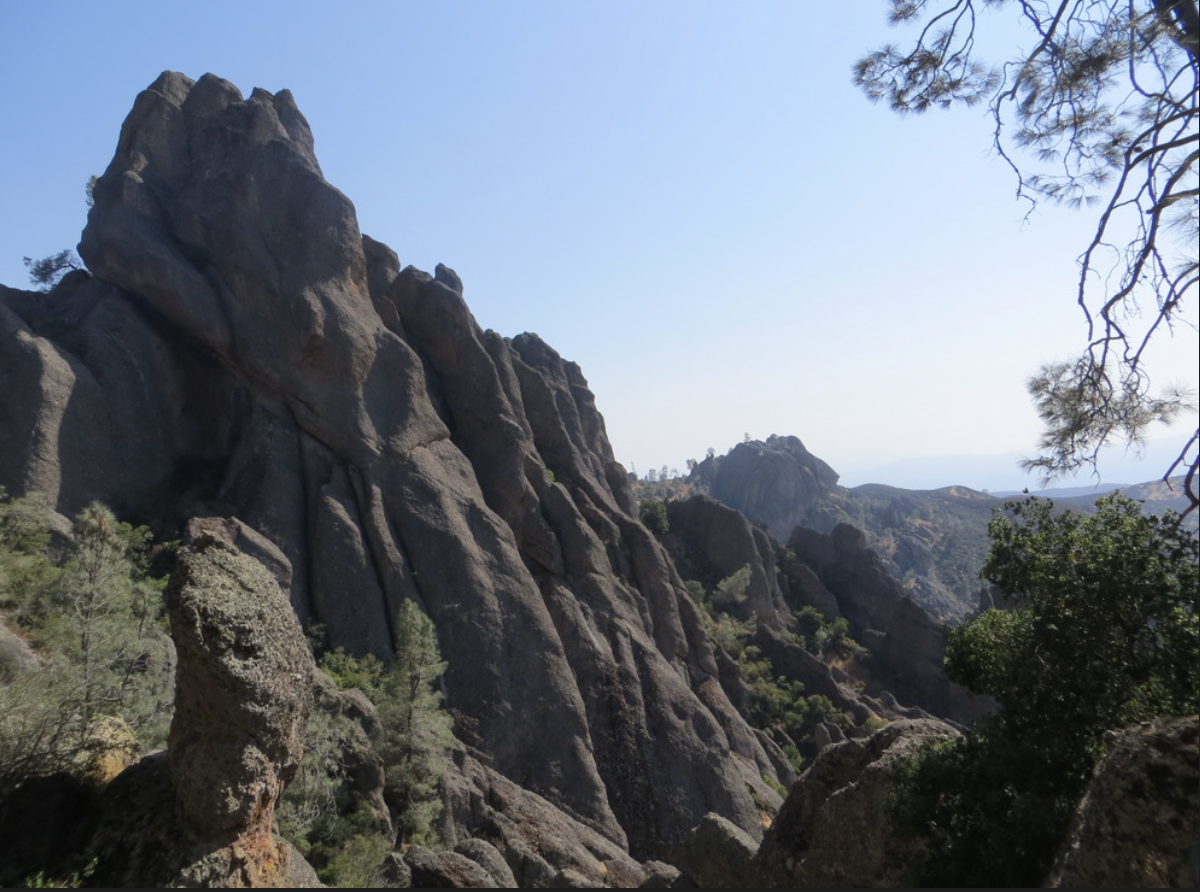
The day opens with hands in the soil before boots hit the trail. Students head into the gardens to harvest fresh vegetables that will be handed off to professional chefs for that evening's dinner. From there, the group heads to Pinnacles National Park, one of California's most dramatic and lesser-known landscapes. Formed by an ancient volcano and shaped over millions of years, the park's towering rock spires and talus caves provide a stunning backdrop for a full day of hiking. Students will move through trails that challenge the body and quiet the mind. That evening, the group returns to the ranch for a farm-to-table dinner made from the very vegetables they harvested that morning, a simple and powerful reminder of where food comes from and how connected we are to the land.
Wednesday, March 17 — Ranch Day of Deep Learning
Today the ranch becomes the classroom, and it is one unlike anything students have experienced before. The morning begins with an introduction to regenerative agriculture, the philosophy, the science, and the story behind why this approach to farming is gaining ground around the world. Students fan out across the property to conduct real soil tests, getting their hands into the earth and analyzing what lives beneath the surface. They will discover that healthy soil is not dirt. It is a living ecosystem teeming with organisms that make everything above ground possible.
From soil science, students move into the fields and pastures to observe wildlife, study plant systems, and learn how the ranch uses nature as its guide rather than fighting against it. Hands-on time with livestock brings the principles of regenerative farming to life in a way no textbook ever could. Students will see firsthand how animals are integrated into the land to restore rather than deplete it.
The afternoon opens space for reflection, journaling, and a guided conversation on stewardship, what it means to care for creation, and how that calling connects to their Catholic faith. The day closes with small group prayer and a shared meal, giving students time to process everything they have taken in. By the end of this day, the land will feel less like scenery and more like something they are responsible for.
Thursday, March 18 — Monterey Coast Day
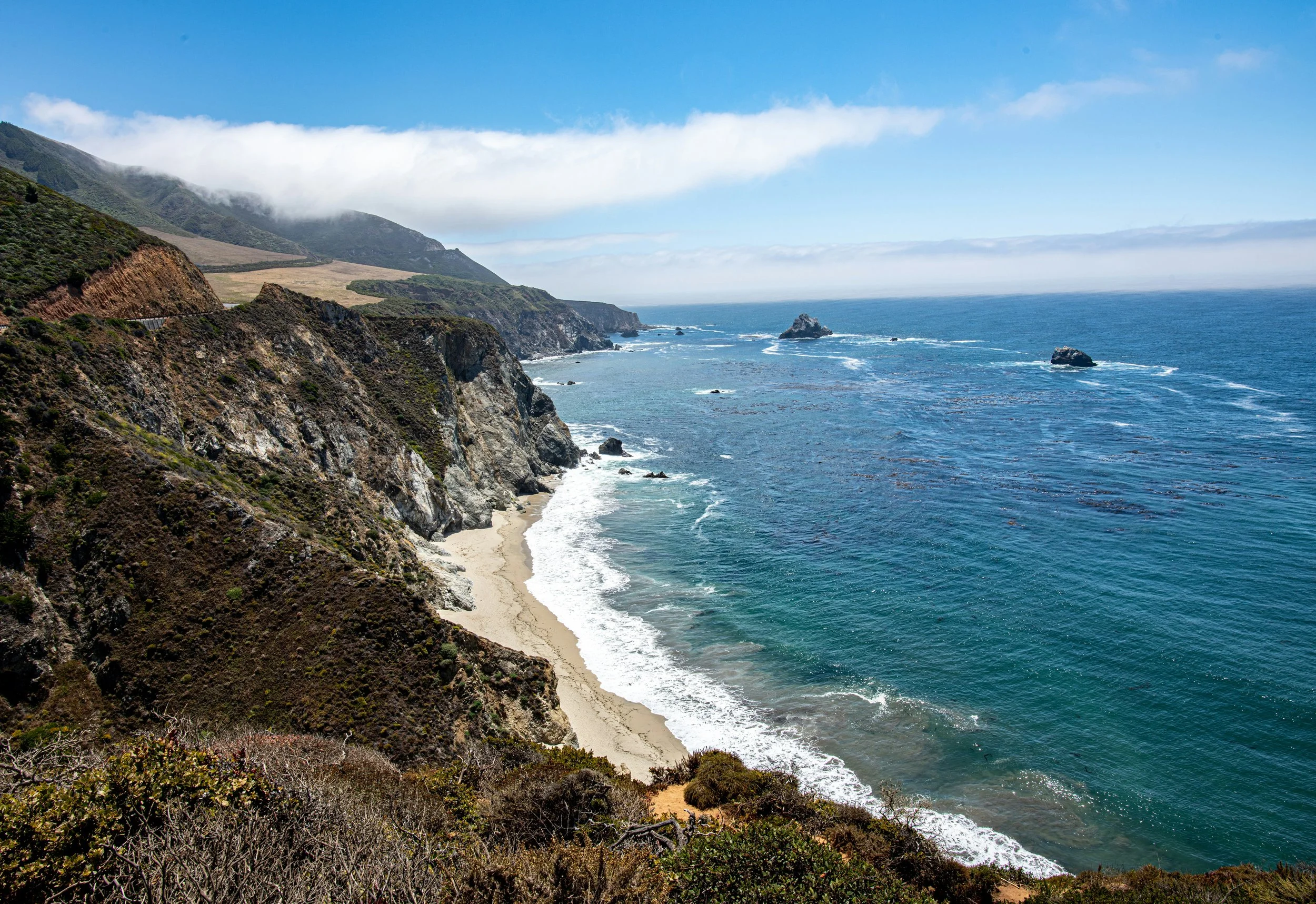
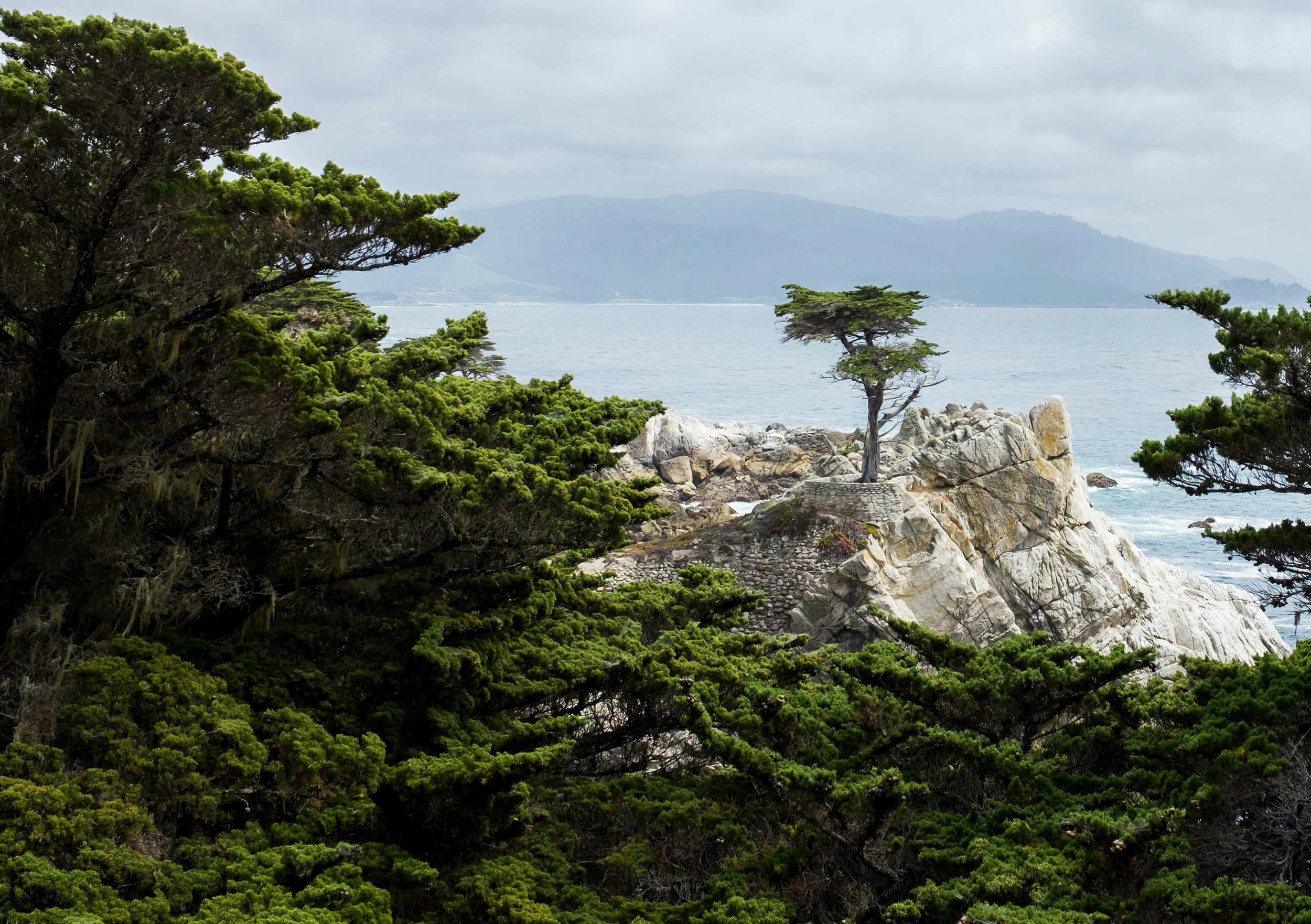
The Pacific Ocean calls. Students travel to the Monterey Bay area for a full day on the California coast, one of the most breathtaking stretches of shoreline in the country. The day offers a range of experiences depending on conditions and the group's spirit of adventure. Options include surf lessons in the rolling Pacific swells, kayaking through the calm and kelp-filled waters of the bay, and a visit to the world-renowned Monterey Bay Aquarium, where the ocean comes alive in an entirely different way. Whether students are riding waves for the first time or watching sea otters float through a kelp forest, the day is filled with awe and energy. The coast has a way of making people feel both small and deeply alive, and that is exactly the point.
Friday, March 19 — Final Morning and Departure
The last morning at Paicines is unhurried and meaningful. Students gather one final time on the ranch for a closing reflection and prayer, giving thanks for the land, the people, and the experiences that shaped the week. There is time to breathe, to journal, and to speak honestly about what the journey meant. Then bags are packed, goodbyes are said to the land and its caretakers, and the group loads up for the drive to San Jose Airport. Students will leave not just with memories, but with a deeper sense of who they are, what they believe, and how they want to show up in the world.
-
Clothing:
3–4 base layer t-shirts (moisture-wicking, not cotton)
2 thermal/long-sleeve base layers
2 fleece or wool mid-layers (crewneck, hoodie, or pullover)
1 insulated jacket or puffy (mornings/evenings get cold)
1 durable rain jacket or waterproof shell (essential)
2 pairs of durable pants (jeans or hiking pants)
4 pairs of warm, wool or synthetic socks
1 beanie or warm hat
1 baseball cap or sun hat (for daytime sun)
Gloves (lightweight work gloves or fleece gloves)
Undergarments for 4 days
Sleepwear (warm and layered—think hoodie and joggers)
Sunglasses
Footwear:
1 pair of waterproof hiking boots or durable closed-toe shoes
1 pair of comfortable shoes/slip-ons for indoor/down time
Flip-flops or shower sandals (for communal areas)
Gear:
Daypack or small backpack
Reusable water bottle (32 oz+)
Headlamp or flashlight (with extra batteries)
Insect repellent (optional)
Sunglasses
Sunscreen (UV is still there in February)
Toiletries (biodegradable soap, toothbrush, etc.)
-
The price includes the following:
Lodging at the Ranch
Meals at the ranch
Activities on site including hiking, biking, leadership activities and lessons, cooking, connecting with conservationists
Leadership as led by Mr. Morrissey
Logistics and Planning
Give-aways and swag
The price excludes:
Airfare (and flight insurance) or transport to the region
Personals snacks
Personal gear
Participants may pay directly on the site.
-
Faith in the Field
At Loyola Sacred Heart, the mission has always been to form the whole person, mind, body, and spirit. This expedition is that mission in motion.
When students step off the bus at Paicines Ranch, they step into something rare. No notifications. No scrolling. No noise. Just open land, honest work, and the kind of quiet that makes it possible to actually hear yourself think and pray. For many of them, it may be the first time in a long time that the world has slowed down enough to let that happen.
This trip is not a break from learning. It is one of the deepest forms of it. Rooted in the Ignatian tradition that shapes life at Loyola Sacred Heart, the week invites students into the kind of reflection that the Laudato Si curriculum calls all of us toward. Care for our common home is not an abstract idea here. It is something students will touch, test, and tend to with their own hands. From conducting soil tests on a regenerative ranch to harvesting vegetables for a farm-to-table dinner, from hiking the ancient spires of Pinnacles National Park to watching the Pacific stretch endlessly from the California coast, every experience becomes an invitation to go deeper.
Woven into each day are dedicated moments of prayer, small group reflection, and Catholic teaching. These are not add-ons. They are the heartbeat of the week. Students will be guided to sit with the big questions, what do I believe, what am I called to, what does it mean to care for creation and for one another, and they will do it together, without the buffer of a screen between them and the conversation.
The relationships that form in that kind of environment are different. More honest. More lasting. Students leave knowing their classmates and themselves in a way that a normal school week rarely allows. And many leave with a renewed sense of what their faith actually means when it is lived outside the walls of a classroom.
This is Loyola Sacred Heart doing what it has always done. Forming young men and women of faith, purpose, and character. Just this time, with dirt on their boots and the Pacific wind at their backs.
The Paicines Ranch Expedition is an extension of the Loyola Sacred Heart mission, designed to deepen faith, build community, and awaken in students a lasting sense of responsibility to God, to one another, and to the world they will inherit.